
About Me
Hello! I am an assistant professor in the Robert F. Wagner School of Public Service at New York University. Before NYU, I was a postdoctoral researcher in the High Meadows Environmental Institute, working in the Levin Lab and Behavioral Science for Policy Lab, at Princeton University. I earned my PhD in Sustainability with a concentration in Complex Adaptive Systems Science from the School of Sustainability at Arizona State University in May 2025, advised by Marty Anderies. While at ASU, I was a National Science Foundation Graduate Research Fellow and received the Outstanding Graduating Student Award for the College of Global Futures. I have an interdisciplinary background in engineering and politics, having earned dual bachelor’s degrees in Environmental Engineering and Political Science from the University of Notre Dame (2020) as well as working in a variety of engineering and policy research roles before graduate school.
A key throughline in my work is bringing the political and governance realities of infrastructure investment into our scholarly and practical understanding of infrastructure systems.
My Work
My research advances our understanding of how politics, from elections to administrative implementation, affect the resilience and distribution of benefits in our critical public infrastructure systems. At the center of my work is the following question:
How do political processes affect the robustness of public infrastructure systems to socio-economic and environmental change?
To address this question from a holistic perspective, I pull from and contribute to multiple fields, including engineering, political science, public policy and administration, and psychology. My prior work has primarily revolved around drinking water, but I am expanding the scope of my work to other types of infrastructure systems, including flooding, transportation, and electricity.
I often opt for the term, robustness, as a unifying concept due to its precise definition, primarily found in engineering. A system is robust if a desired outcome (e.g., level of water supply, traffic congestion, affordability, etc.) is insensitive to a change in inputs (e.g., rainfall, gas prices, immigration, etc.). Robustness is therefore, simply the opposite of sensitivity. The beauty of a robustness framing is that you can address multiple outcomes of interest or uncertainties by specifying, (i) what outcome you care about (the “of what” question) and (ii) to what input you are uncertain (the “to what” question). In the rapidly evolving field of sustainability I argue that most questions ultimately boil down to which outcomes and uncertainties should be prioritized. The answer to such questions is the role of politics.
My work consists of three tracks to tackle the complexity of infrastructure politics from multiple angles.
- Applied modeling of infrastructure systems that incorporates governance dynamics, co-produced with practitioners. I incorporate models from cognitive and institutional sciences that provide a more realistic representation of how individuals and organizations responsible for infrastructure investment make decisions and respond to changes into computational dynamic models of infrastructure systems.
- Empirical investigation of how infrastructure policymakers make decisions and collaborate. Data collected in this track is primarily surveys, interviews, and documents.
- Theoretical modeling of shared infrastructure governance that transcends infrastructure type. I use the formal language provided by dynamical systems modeling to understand the patterns of infrastructure governance, regardless of infrastructure type, that contribute to various robustness outcomes of interest.
Refer to my Current Projects for more information on work in each of these tracks.
News
September 1, 2026: I began my new position as Assistant Professor of Public Service at New York University. I am very excited for the new chapter in my academic journey, and I cannot wait to get involved with the vibrant NYU Wagner community! I will be teaching Introduction to Public Policy this fall and continuing projects outlined in my Current Projects tab.
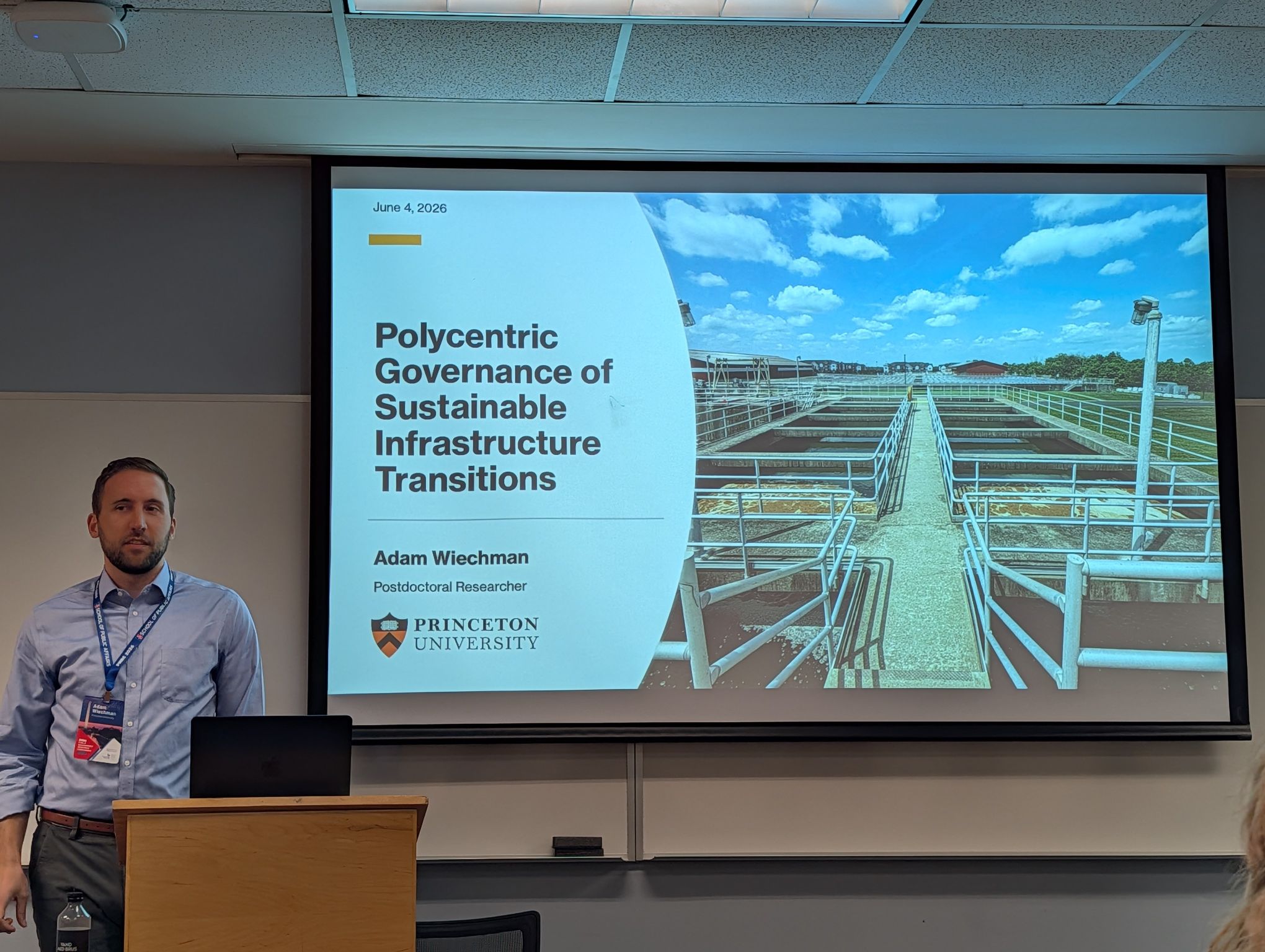
June 4-6, 2026: I attended the Public Management Research Conference (PMRC) at American University in Washington, DC. I presented my latest work on a general model of polycentric infrastructure transitions (more information here) and had a blast reconnecting with the public administration community after a few years!
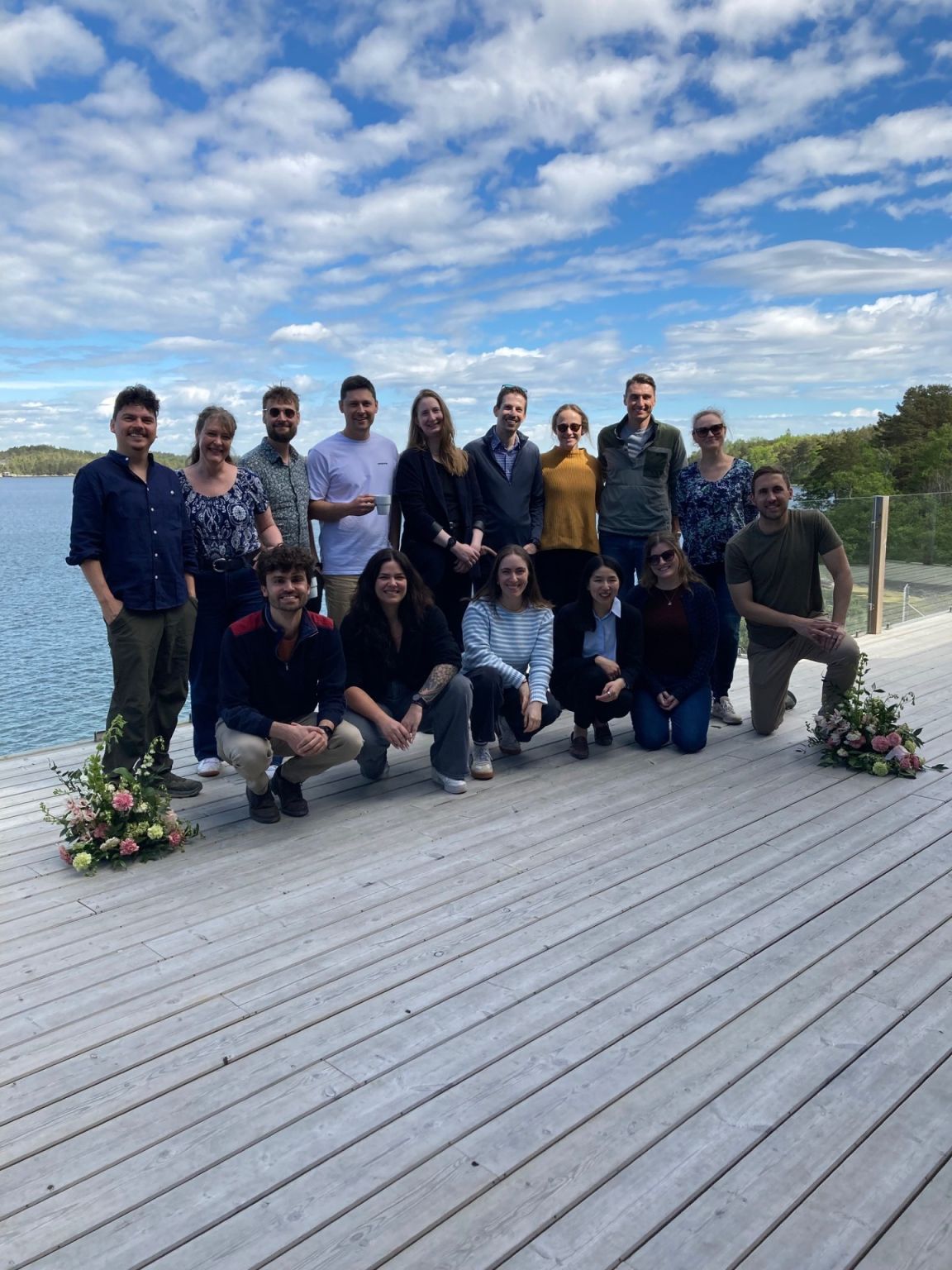
May 25-29, 2026: I had the pleasure of participating in the third annual meeting of the Beijer Young Scholars fourth cohort, dedicated to studying interacting shocks in the biosphere. It is always a pleasure to reconnect with my now close friends from multiple geographic and interdisciplinary backgrounds. We advanced ongoing projects, including our work on the relationship betweeen interacting shocks and trust in institutions, and discussed our priorities for continuing the work after our cohort’s formal program comes to a close this year.
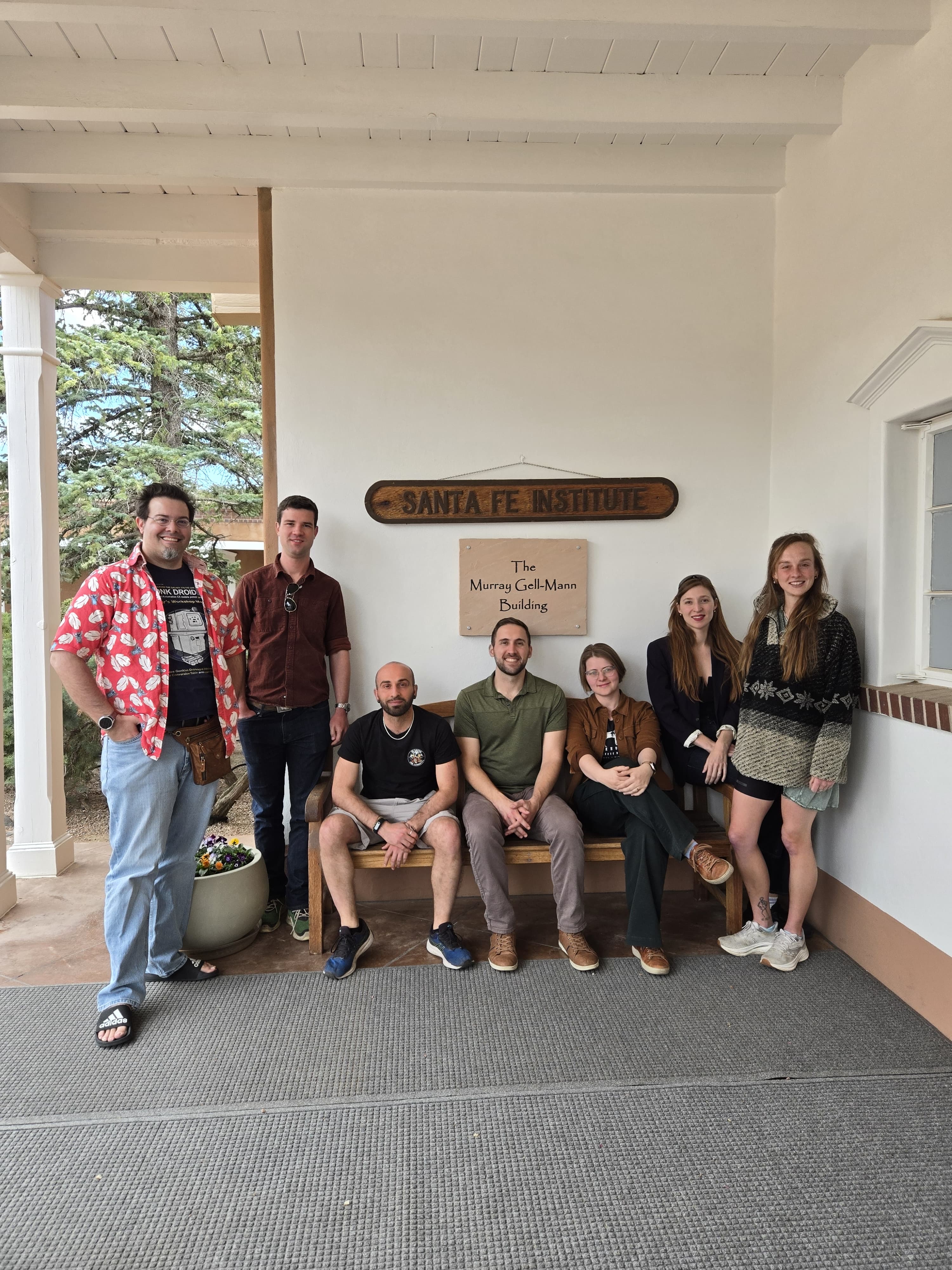
April 8-10, 2026: I co-convened a Micro Working Group at the Santa Fe Institute to advance theory on the role of expertise in policy processes and general institutional design implications with a team of fellow early career scholars from social science and applied math (linked here).
February 23-25, 2026: I gathered with some fellow members of the Beijer Young Scholars Program Beijer Young Scholars fourth cohort to (i) finalize our cohort’s perspective piece on a research agenda for creeping changes and interacting shocks in the biosphere (working paper linked here) and (ii) advance a modeling and experimental study of how interacting shocks affect trust in institutions.
January 19, 2026: NEW OPEN ACCESS PAPER! A paper I led on, “The Inclusion Trade-Off: Comparing the Design and Functionality of Collaborative Governance Forums” was published in Policy Studies Journal. We explore how the level of inclusion in collaborative forums affects their functionality, as assessed by forum participants. As modern policy challenges continue to cross existing jurisdictions, a challenging question facing policy actors is deciding who to include in necessary collaborative forums. Our comparative work provides new insight for addressing this question and speaks to the need for more comparative work in the study of polycentric governance, inclusion, and collaboration. See Current Projects for more information on the project.
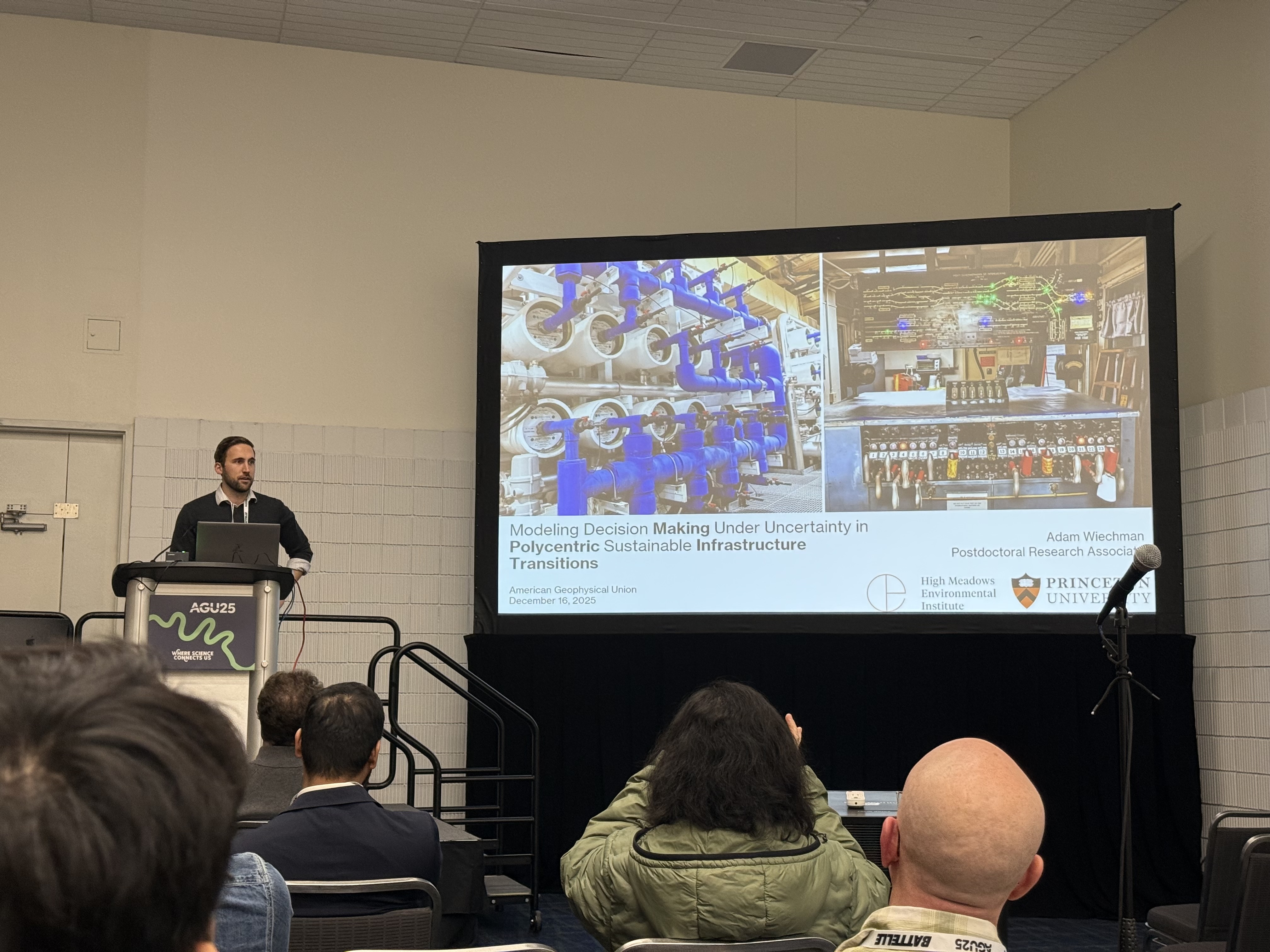
December 15-17, 2025: I participated in the 2025 American Geophysical Union Meeting in New Orleans, LA. There, I convened two poster sessions on, “Advances in Modeling and Governing Interacting Shocks in the Anthropocene,” as part of my role in the Beijer Young Scholars cohort, and “Preparing the Next Generation of Researchers to Meet Transdisciplinary Environmental Challenges” as part of my role in the Early Career Working Group of the MultiSector Dynamics community. I also presented my work on, “Modeling Decision Making Under Uncertainty in Polycentric Sustainable Infrastructure Transitions” in a session dedicated to modeling human responses in MultiSector Dynamics research. It is always a privilege to engage with the MultiSector Dynamics and wider AGU Global Change community’s enthusiasm for interdisciplinary scholarship, and I appreciated the opportunity to make new connections across infrastructure sectors and technical perspecitves.
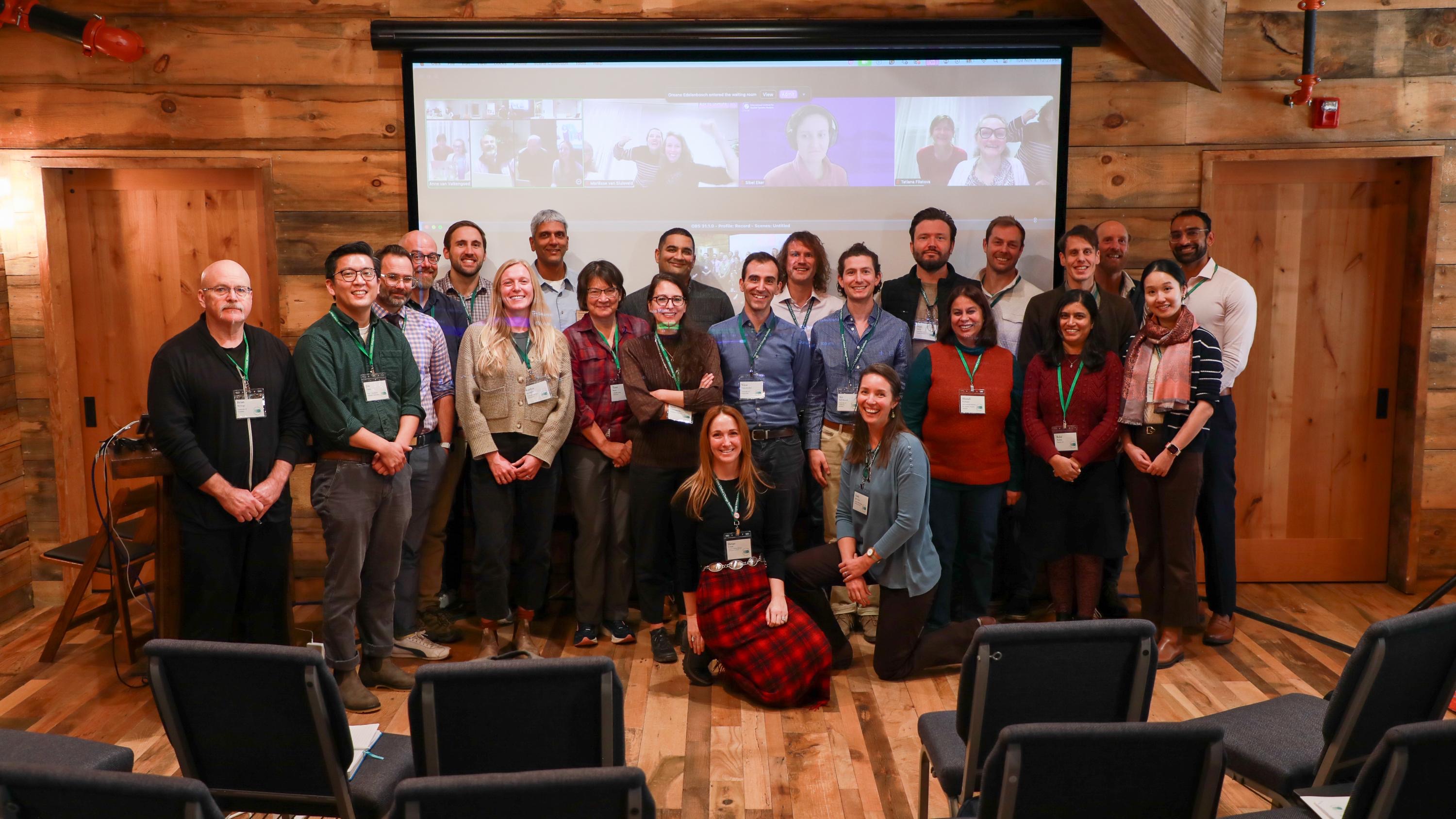
November 3-7, 2025: I was invited to participate in the Aspen Global Change Institute workshop entitled, “Human Behavior in Global Change Models.” Referencing my prior work on dynamically modeling the policy process in critical infrastructure systems, I contributed to discussions on how to best incorporate human behavior in coupled human-natural systems and how such models can also inform theory building in social science. We are now working towards a perspective piece on insights generated by the workshop as well as other spinoff pieces.
October 20-22, 2025: I attended the National Sustainability Society annual conference at the University of Notre Dame, presenting, “Uncertainty, Collaboration, and Sustainable Infrastructure Governance in the US.” This work is the empirical side of my primary postdoctoral work, which can be found in Current Projects. It was an absolute pleasure to be back at my alma mater, reconnecting with dear mentors, and making new connections with sustainability scholars.
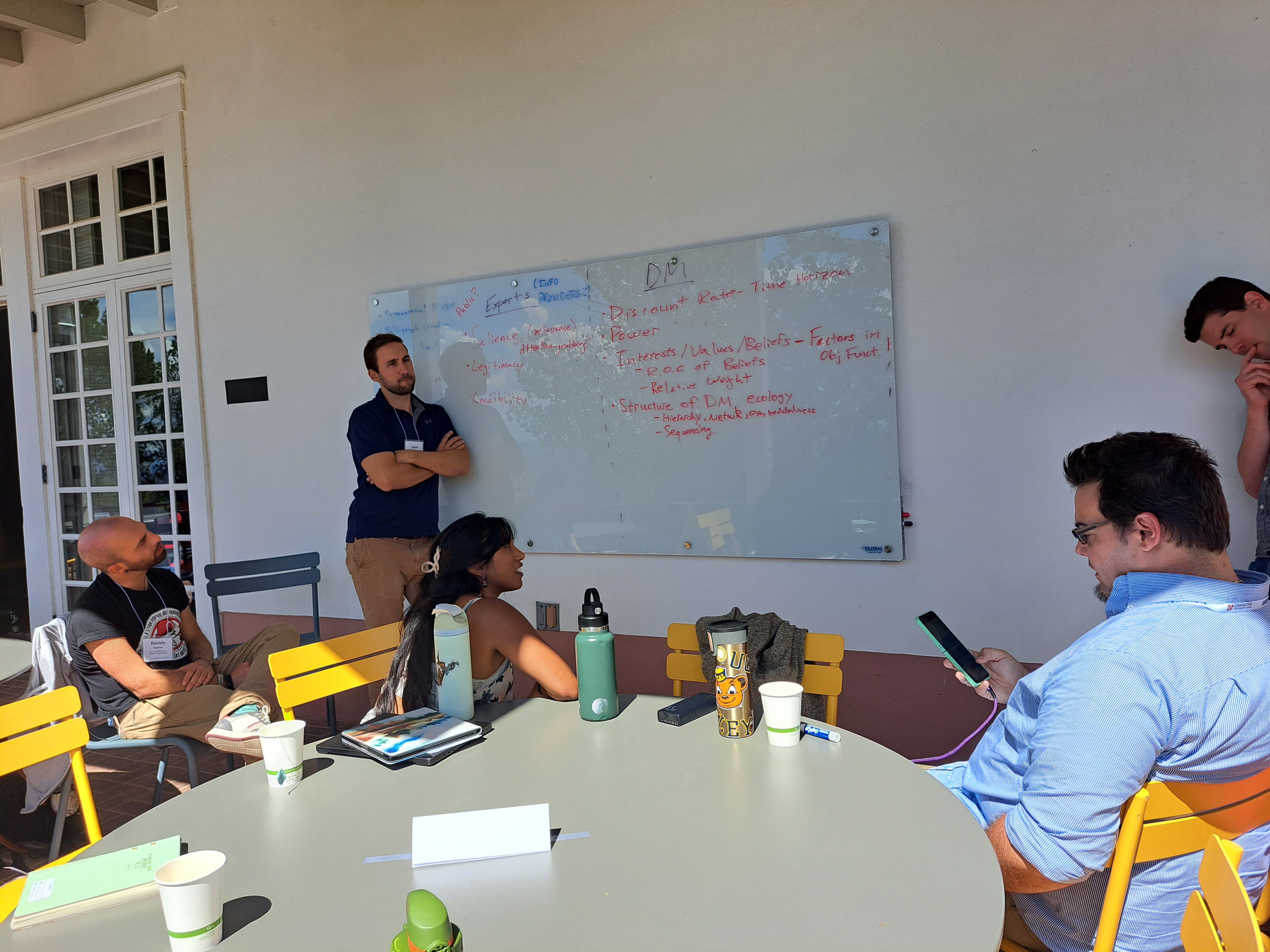
September 15-19, 2025: I participated in the Postdocs in Complexity Conference at the Santa Fe Institute. I led a new research working group dedicated to understanding how to design institutions that structure the role of experts in decision-making and policy processes.
August 11, 2025: I started my position as a Postdoctoral Research Associate in the High Meadows Environmental Institute, working in the Levin Lab.
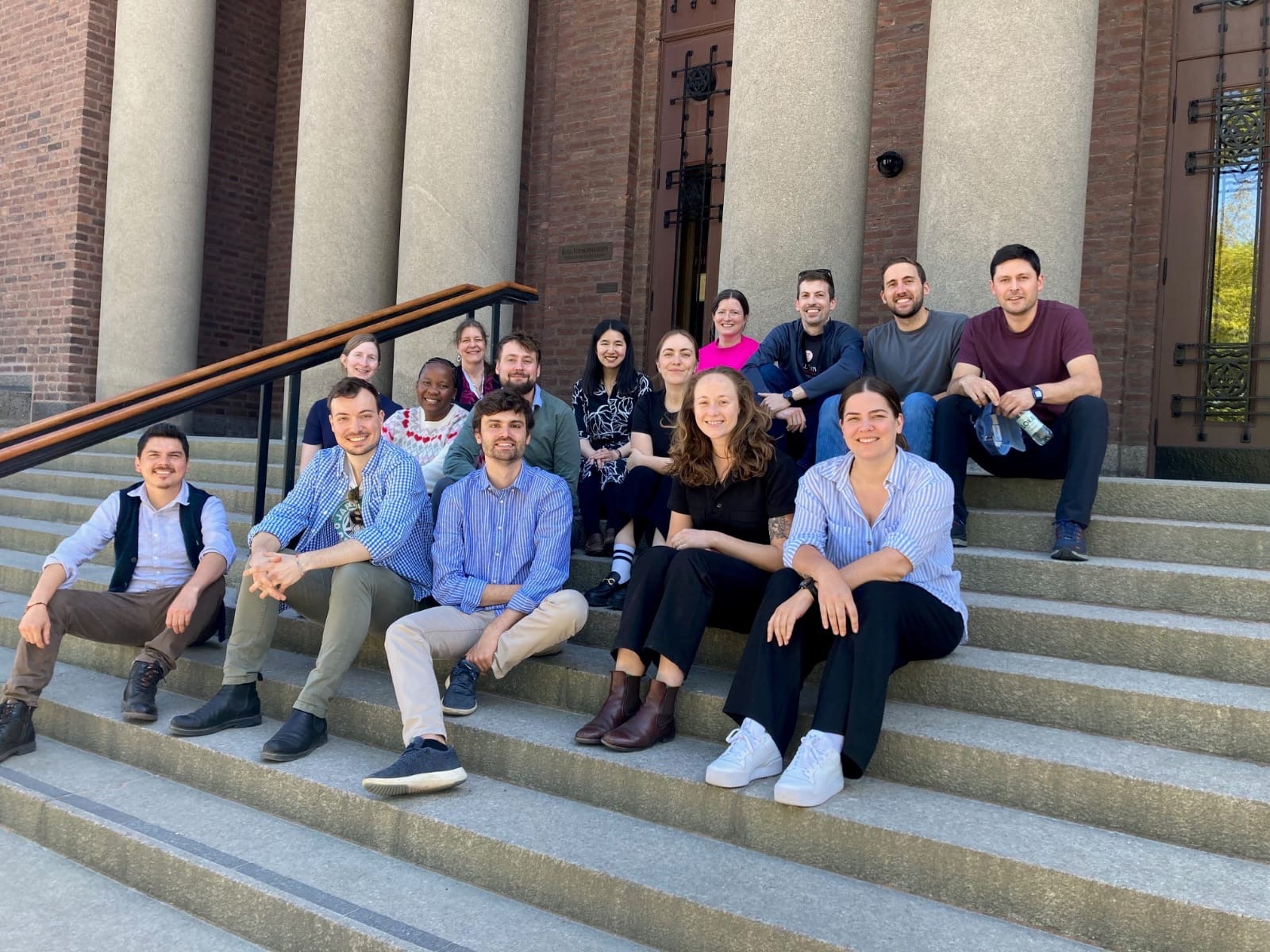
May 19-23, 2025: I participated in the second meeting of the Beijer Young Scholars fourth cohort where we furthered projects dedicated to “Interacting Shocks in the Biosphere.” See Current Projects for project information.
May 12-13, 2025: I graduated with my PhD in Sustainability from Arizona State University. I was named the Outstanding Graduate Student for the College of Global Futures and was featured in a video and article on ASU News. I also gave the graduate student convocation speech for the College of Global Futures.